
About Manology Tattoo Removal Essex
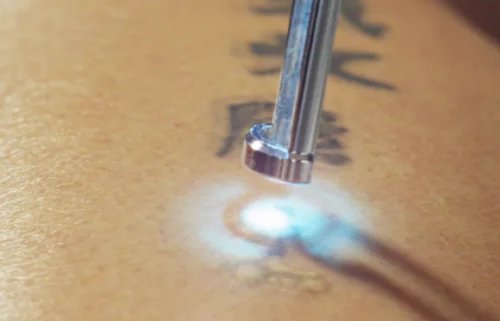
Manology is a specialist men’s skin studio in Billericay, offering professional tattoo removal in Essex. Using advanced laser technology, our treatments are designed to target and break down tattoo pigment beneath the skin, allowing the body to gradually remove the fragmented ink over time.
Every tattoo is different, which is why Manology provides a personalised approach based on the tattoo’s size, colour, depth, age and location, as well as the client’s individual skin type. Our experienced practitioner prioritises safety, precision and client comfort throughout every stage of the treatment process.
Whether you want to fade an existing tattoo in preparation for a cover-up or work towards removing an unwanted design, Manology offers a discreet and professional tattoo removal service tailored to your goals.
Your treatment journey begins with a consultation, where your tattoo and skin will be assessed, realistic expectations will be discussed and a suitable treatment plan will be recommended.
Discover professional tattoo removal in Essex at Manology, where advanced technology, specialist care and a personalised approach come together at our private Billericay studio.
Manology Tattoo Removal Prices
Laser Tattoo Removal
| Tattoo Size | Duration | Price |
|---|---|---|
| Up to 1 × 1 inch | 30 minutes | £55 |
| Up to 2 × 2 inches | 30 minutes | £75 |
| Up to 3 × 3 inches | 30 minutes | £95 |
| Up to 4 × 4 inches | 40 minutes | £115 |
| Up to 5 × 5 inches | 50 minutes | £135 |
| Up to 6 × 6 inches | 60 minutes | £155 |
Semi-Permanent Brow Tattoo Removal
| Treatment | Duration | Price |
|---|---|---|
| Semi-Permanent Brow Removal | 45 minutes | £75 |
Prices are based on the approximate size of the tattoo. A consultation may be required to assess the tattoo’s size, colour, depth and suitability before treatment.
All treatments are carried out in a private and professional environment at Manology, our specialist men’s skin studio in Billericay, Essex.
Tattoo Removal Before and Aftercare
Following the correct preparation and aftercare guidance can help protect your skin, support healing and reduce the risk of complications following laser tattoo removal.
Before Your Treatment
Understand the Treatment Process
Laser tattoo removal normally requires a course of treatments. Results vary depending on factors such as the tattoo’s size, colour, age, depth, location and the way your skin responds.
Your Manology practitioner will discuss realistic expectations and recommend a suitable treatment plan during your consultation.
Reduce Smoking
Smoking may affect the body’s natural healing processes. Where possible, consider reducing or avoiding smoking before and after your treatment.
Eat and Stay Hydrated
Eat a suitable meal and drink plenty of water before attending your appointment. This may help you feel more comfortable during the treatment.
Consider Pain Relief Carefully
Some clients choose to take pain relief before their appointment. Only take medication that is suitable for you, follow the product instructions and seek advice from a pharmacist or healthcare professional when necessary.
Wear Suitable Clothing
Wear clean, loose-fitting clothing that provides easy access to the treatment area and reduces friction against the skin after your appointment.
Arrive With Clean Skin
Do not apply makeup, moisturiser, fake tan, deodorant, perfume, oils or other cosmetic products to the treatment area before your appointment.
Please inform your practitioner about any medication, medical conditions, allergies, recent sun exposure or changes to your skin before treatment begins.
After Your Treatment
The treated area may feel warm, tender or similar to sunburn immediately following treatment. The skin may also appear red, raised or swollen. These reactions are usually temporary and form part of the normal healing process.
Cooling the Area
Use a clean cold compress or wrapped ice pack to help reduce heat, swelling and discomfort.
Never apply ice directly to the skin, as this may cause damage or an ice burn.
Protecting the Skin
When the skin remains unbroken, a clean, dry and sterile dressing may be placed over the treated area for protection.
If your practitioner has advised you to use a dressing, follow their instructions regarding when it should be changed or removed.
Soothing Unbroken Skin
When the skin is unbroken, a suitable cooling product, such as pure aloe vera gel, may be applied to soothe the area.
Only use products recommended or approved by your Manology practitioner.
Caring for Broken Skin
When the skin has broken, follow the specific wound-care advice provided by your practitioner.
Do not apply antiseptic creams, moisturisers or other products unless advised to do so by your practitioner or a qualified healthcare professional.
Itching and Dryness
Itching may develop several days after treatment as the skin begins to heal. Avoid scratching, rubbing or picking the area.
A suitable fragrance-free moisturiser or soothing product may be used when recommended by your practitioner and when the skin is sufficiently healed.
Blisters, Crusting and Scabs
Blisters, crusting or scabbing may develop within the first few days after treatment and can take one to two weeks, or occasionally longer, to heal.
Do not intentionally burst blisters or remove scabs. Allow them to heal and separate naturally, as picking the area may increase the risk of infection, scarring or changes in pigmentation.
The treated skin may temporarily appear pinker, paler or darker once any scabbing has lifted.
Keep the Area Clean and Dry
Keep the treated area clean and dry while it is healing.
Wash gently when advised, pat the skin dry using a clean towel and avoid soaking the area in baths, swimming pools or hot tubs until it has fully healed.
Avoid Sun Exposure
Protect the treated area from direct sunlight throughout the healing process and between appointments.
Once the skin has healed sufficiently, apply a broad-spectrum sunscreen with SPF 50 or higher and keep the area covered wherever practical.
When to Contact Manology
Please contact your Manology practitioner if you are concerned about the healing process or experience an unexpected reaction.
Seek medical advice promptly if you notice signs of infection, including increasing pain, spreading redness, excessive heat, pus, an unpleasant smell, fever or feeling generally unwell.